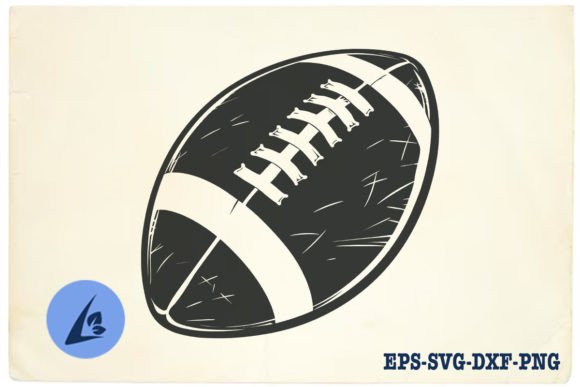
American Football Logo: Helmet and Ball Review
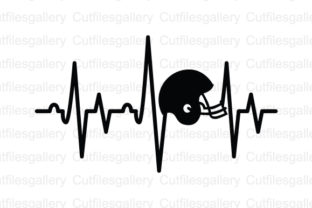
As a designer who has spent years translating digital graphics into tangible stitched products, I approach every new asset with a critical eye. The latest file on my desk is the American Football Logo. Player Helmet an, a graphic featuring a player helmet and a rugby ball isolated on a white background. At first glance, it looks like a standard sports icon, but in the world of machine embroidery, the devil is always in the details. Before I commit to stitching this onto a client's order or listing it as a finished product in my shop, I need to understand how this specific design translates from screen to fabric.
First Impressions and Visual Personality
The initial visual impact of the American Football Logo. Player Helmet an is bold and immediate. The combination of the helmet and the ball creates a balanced composition that screams team spirit without being cluttered. In the realm of Graphics, this is a classic silhouette style. However, when we talk about turning this into a machine embroidery design, the clean lines are both a blessing and a potential challenge. The mood is energetic and sporty, making it an obvious choice for fan gear, youth leagues, or school merchandise.
What stands out immediately is the isolation of the elements. Because the helmet and ball are separated yet visually connected, there is room for creative spacing in the hoop. This layout suggests that the design could work well as a standalone chest logo on a sweatshirt or as a larger back print on a tote bag. The lack of excessive background noise means the stitch density can be managed more effectively, which is crucial for preventing puckering on thicker fabrics.
Testing the Design in Real-World Scenarios
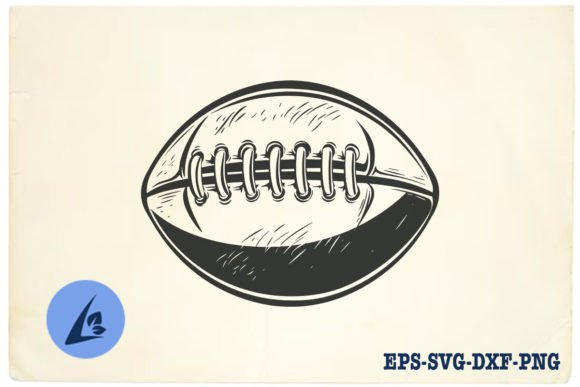
To truly evaluate the American Football Logo. Player Helmet an, I imagine a specific project: creating a custom embroidered patch for a local high school football booster club. These clubs often need durable, high-quality patches that can withstand frequent washing and rough handling. If I were to use this design for an embroidered patch, the clear definition of the helmet visor and the laces on the ball would need to hold up under scrutiny.
I also envision using this for custom apparel, specifically a heavy cotton sweatshirt for a coach. On a dark heather grey fabric, the contrast provided by the design would need to be sharp. The stitch density in the fill areas of the helmet must be tight enough to cover the dark fabric completely but loose enough to allow the thread to lay flat. If the density is too high, the fabric will pucker; too low, and the grey will show through, ruining the professional look of the finished product.
For those running a craft business or selling on Etsy, this design fits perfectly into the holiday embroidery niche. Think of personalized gifts for game day parties or end-of-season awards. A simple tote bag design featuring this logo could be a bestseller if paired with the right color palette. The versatility of having EPS, JPG, SVG, and transparent PNG files allows for quick mockups, which is essential for Etsy sellers trying to showcase their small shop product offerings before production begins.
Navigating Fabric Challenges and Technical Limits
While the design looks promising, experienced designers know that not all fabrics play nice with every graphic. The American Football Logo. Player Helmet an contains curved surfaces, particularly on the helmet dome and the ball. When embroidering on stretchy fabrics like jersey knit or thin materials like silk, these curves can distort if the wrong stabilizer is used. I always advise testing the design on scrap fabric first to ensure the stitches do not pull the material out of shape.
Another area of caution is the hoop size. While the design appears compact, the relationship between the helmet and the ball might require a slightly larger hoop than expected to maintain proper tension. If you attempt to fit this into a very small 4x4 hoop, you risk compressing the design, which can lead to thread breaks and misaligned satin stitch edges. For baby embroidery or items meant for sensitive skin, the texture of the stitches becomes paramount. A dense fill stitch might feel too stiff against a baby's neck, so adjusting the stitch type to a softer running stitch or reducing the overall count might be necessary.
Furthermore, consider the placement on curved surfaces like caps. The top of a cap is notoriously difficult to embroider due to the curvature. The sharp angles of the helmet in the American Football Logo. Player Helmet an might lose their crispness if the needle cannot penetrate the curve at the correct angle. In such cases, using a specialized cap frame and adjusting the thread colors to match the hat's tone can help mitigate visibility issues.
Practical Designer Notes for Success
- Test on Scrap Fabric: Never skip the test run. Check how the fill stitch behaves on your specific target material, whether it is denim for a jacket or canvas for a bag.
- Check Thread Contrast: Ensure the thread colors provide enough contrast against the background fabric. A light grey helmet on a white shirt might get lost without a shadow outline.
- Review Stitch Density: High-density areas can cause puckering. If the design feels too heavy, reduce the density settings in your digitizing software before stitching.
- Confirm Hoop Size: Measure the bounding box of the design against your available hoops. Ensure you have enough room to secure the fabric without distorting the image.
- Inspect Small Details: Zoom in on the laces of the ball and the face mask of the helmet. Tiny details can disappear if the stitch length is too long or the thread is too thick.
- Use Proper Stabilizer: For textured fabrics or stretchy knits, a cut-away stabilizer is often better than tear-away to support the weight of the embroidery over time.
- Test Black and White Mockups: Before committing to expensive thread, visualize the design in monochrome to check for balance and readability.
- Verify Licensing: Always confirm the licensing terms for commercial embroidery. Ensure you have the right to sell handmade products featuring this digital embroidery file or to offer it as a personalized gift.
Impact on Brand and Customer Perception
In the competitive market of handmade goods, the quality of the embroidery file directly influences customer trust. A poorly executed version of the American Football Logo. Player Helmet an—with tangled threads or uneven fills—can make a boutique branding effort look amateurish. Conversely, a clean, precise application elevates the perceived value of the item. Customers buying a personalized gift expect a level of craftsmanship that reflects care and attention to detail.
When used correctly, this design enhances buyer engagement because it taps into the emotional connection fans have with the sport. It works well for commercial projects where brand consistency is key. Whether it is a kitchen towel for a sports bar or a pillow cover for a game room, the clarity of the logo ensures instant recognition. For the creative entrepreneur, understanding the limitations and strengths of this design asset is what separates a good seller from a great one.
Ultimately, the American Football Logo. Player Helmet an is a solid contender for various Crafts applications, provided the designer respects the technical requirements of the medium. By taking the time to test, adjust, and plan, you can transform this digital graphic into a high-quality, durable piece of art that customers will love and wear with pride.